
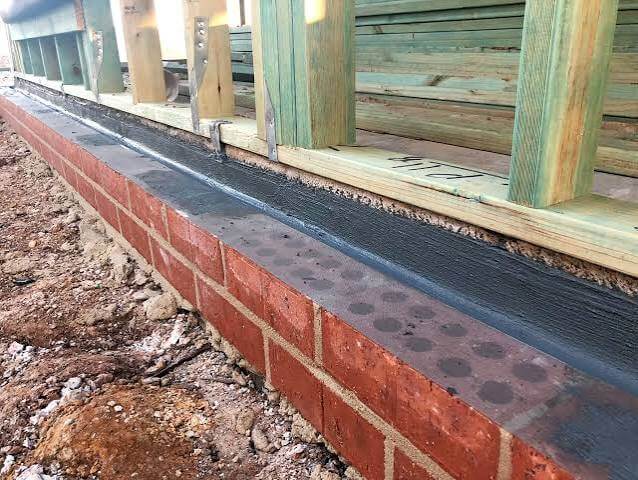
Most chemical termite barriers are designed to last around 8 to 10 years, though the actual lifespan depends on the product used, soil conditions, and whether the barrier has been disturbed by landscaping, renovations, or plumbing work since it was installed. Physical barriers, like stainless steel mesh or graded stone, are generally installed during construction and can last much longer, often the life of the building, since they don’t rely on a chemical treatment breaking down over time.
Chemical Barriers vs Physical Barriers
Chemical barriers work by creating a treated zone in the soil around your home’s foundation that termites either avoid or pick up and carry back to the colony, depending on the product. These are the most common type in existing homes, particularly older properties where a physical barrier wasn’t installed during construction. Physical barriers, on the other hand, are built into the structure itself, usually stainless steel mesh laid under slabs or around penetration points during the build. They don’t degrade chemically, but they can still be compromised if damaged or if a gap is left during installation, which is why even homes with physical barriers benefit from regular checks.
Why Barriers Wear Out or Fail Early
Chemical barriers can lose effectiveness sooner than expected if the soil around the home has been disturbed, for example during gardening, adding a new path or retaining wall, or digging for drainage work. Even a small gap in the treated zone gives termites a way through. This is part of why the Australian Standard AS 3660 recommends annual termite inspections regardless of whether a barrier is in place, a barrier reduces risk, it doesn’t eliminate the need to check.
How to Know If Yours Needs Checking
If you’re not sure when your barrier was last installed or renewed, or you’ve had any landscaping or excavation work done around your home since, it’s worth getting it checked. This is a standard part of what we look at during a pest inspection, we assess whether your existing barrier is likely still effective and flag it clearly in your report if renewal looks overdue.
If you’re buying a property, this is also worth confirming as part of a building and pest inspection, since an ageing or undisclosed barrier is the kind of thing that’s easy to miss without a proper check.
Frequently Asked Questions
How do I find out what type of barrier my home has?
If you weren’t given documentation when you bought or built the property, an inspector can usually identify barrier type during a standard check, and your local council or the original builder may also hold records if the home is newer.
Does a termite barrier mean I don’t need inspections?
No. A barrier reduces the likelihood of entry but doesn’t guarantee it, and gaps or disturbance can compromise it without any visible sign from inside the home. Annual inspections remain the standard recommendation even with a barrier in place.
What happens if my barrier has failed?
We’ll flag it clearly in your inspection report along with any signs of activity found, so you can engage a licensed provider to renew or repair it before it becomes a bigger issue.
Do new homes still need a termite barrier?
Yes, physical or chemical barriers are a standard requirement under Australian building codes for new construction, precisely because termite risk doesn’t disappear just because a home is new.
Not sure how old your termite barrier is? Call Kingfisher on 02 4910 4004 or email info@kingfisherinspect.com.au to book an inspection.


